People Dancing for Christmas: A Designer's Real-World Review
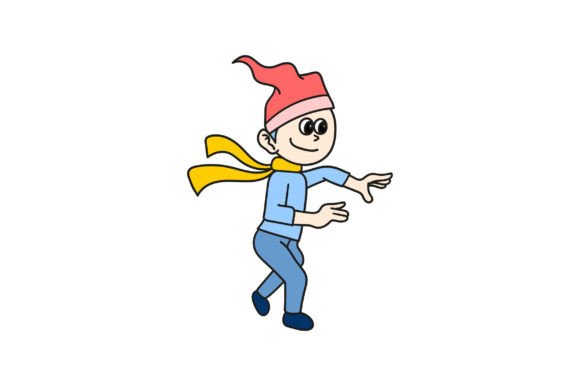
When I first opened the file for People Dancing for Christmas, I didn't just see a collection of shapes; I saw a moment of pure holiday joy. As an experienced designer who has spent years testing thousands of files for client projects and my own shop, my first impression is that this design captures the whimsical spirit of the season without feeling cluttered or overly complex. It is not merely an illustration; it is a narrative piece that invites the viewer to join in the celebration. The layout feels balanced, with figures moving in a way that suggests rhythm and movement, making it an excellent candidate for apparel and home decor where life needs to be injected into static fabric.
The mood created by People Dancing for Christmas is unmistakably festive yet cozy. It avoids the generic Santa-and-reindeer clichés that often saturate the market, opting instead for a more character-driven approach that feels personal and handcrafted. This distinction is crucial for Etsy sellers and boutique owners looking to differentiate their handmade products. When you are designing custom apparel or preparing a batch of personalized gifts, the visual personality of the design sets the tone for the entire brand experience. This file delivers a sense of warmth and community that resonates deeply with customers seeking authentic, artisanal quality.
Bringing the Design to Life on Fabric
In a recent project, I decided to test People Dancing for Christmas on a set of premium canvas tote bags intended as corporate holiday gifts. The goal was to create something memorable that employees would actually use rather than discard. The design translated beautifully from screen to stitch. Because the figures are dynamic, the embroidery added a tactile dimension that flat printing simply cannot achieve. The satin stitches on the outlines gave the dancers a crisp definition, while the fill stitches provided enough texture to make the garments feel substantial and high-end.
I also considered how this machine embroidery design would perform on softer materials like sweatshirts and baby onesies. For a small business owner planning a line of holiday-themed children's clothing, this design offers a unique selling point. The playful nature of the dancing figures makes it perfect for nursery decor, pillow covers, or even embroidered patches for denim jackets. The versatility is one of its strongest assets. Whether you are creating a limited edition run of aprons for a local bakery or crafting a special keepsake for a family member, the design adapts well to various product types.
However, real-world application requires strategic thinking. When I evaluated the design for a potential cap project, I immediately noted the curvature challenges. While the central composition works well on flat surfaces like tea towels or blankets, applying it to a curved surface like a baseball cap requires careful placement and potentially a smaller hoop size to avoid distortion. The design shines brightest when given room to breathe on larger canvases like tote bags, kitchen towels, or blanket corners. For these items, the embroidery file maintains its integrity, ensuring that the details remain sharp and the overall image remains recognizable even after multiple washes.
Navigating Technical Challenges and Fabric Choices
Every great design comes with specific requirements, and understanding them is what separates a professional result from a mediocre one. When working with People Dancing for Christmas, stitch density is a critical factor to consider. If the design features dense areas of fill stitch, it can become stiff if not supported correctly. For delicate fabrics like thin cotton or stretchy jersey, using the proper stabilizer is non-negotiable. Without adequate backing, the tension required to hold the intricate details could cause puckering, ruining the aesthetic appeal of the finished product.
Thread color contrast plays a pivotal role in how the design is perceived. On dark fabrics, the lighter threads might get lost if the background is too similar in value. Conversely, on light backgrounds, darker threads provide excellent pop. I recommend testing the thread palette against your specific fabric swatch before committing to a full production run. This step ensures that the visual impact of the dancing figures is maximized, preserving the festive energy intended by the artist.
There are also scenarios where caution is advised. If you plan to use this design on a very small hoop size, such as for a cuff or a tiny patch, you must scrutinize the smallest details. Fine lines and tiny accents may not register clearly if the resolution is pushed beyond the machine's capabilities. Similarly, textured fabrics like heavy waffle-weave towels or thick wool blends can obscure the finer points of the stitching. In these cases, the design might need slight adjustments or a simplified version to ensure clarity. Always inspect the small details under good lighting before finalizing your order.
Enhancing Product Value and Customer Trust
For commercial embroidery projects, the quality of the design directly influences customer trust and brand consistency. A well-executed embroidered patch or a crisp sweatshirt embroidery job signals professionalism. When customers receive a personalized gift or a boutique item featuring People Dancing for Christmas, they notice the care taken in the execution. The design adds a layer of sophistication that elevates the perceived value of the item, making it a more desirable purchase.
This design is particularly effective for digital product sellers creating printable mockups. The clean lines and clear composition allow for realistic previews that accurately represent the final stitched look. Buyers can visualize exactly how the design will appear on their chosen garment, reducing hesitation and increasing conversion rates. Furthermore, the festive theme ensures year-round relevance during the holiday season, providing a reliable asset for seasonal marketing campaigns.
Practical Notes for the Embroidery Designer
Before integrating People Dancing for Christmas into your workflow, there are several practical steps to ensure success. First, always test the design on scrap fabric that matches your final material. This allows you to assess how the thread colors interact with the fabric texture and whether the stitch density causes any unwanted stiffness. Second, review the stitch density settings in your digitizing software to ensure optimal coverage without overwhelming the fabric.
Confirming the hoop size is essential for maintaining the design's proportions. If you are unsure about the compatibility of the file with your specific machine, check the documentation or contact the provider. Additionally, verify the licensing terms carefully, especially if you intend to sell finished items or distribute the digital embroidery file commercially. Understanding whether the license covers personal use, small business merchandise, or large-scale production is vital for protecting your intellectual property and avoiding legal issues.
Finally, compare the design in both black and white and color mockups to ensure it retains its visual appeal across different mediums. This practice helps identify potential issues with contrast or detail loss before you ever load a spool of thread. By taking these precautions, you ensure that People Dancing for Christmas becomes a staple in your collection of design assets, ready to bring joy and quality to every embroidery project you undertake.