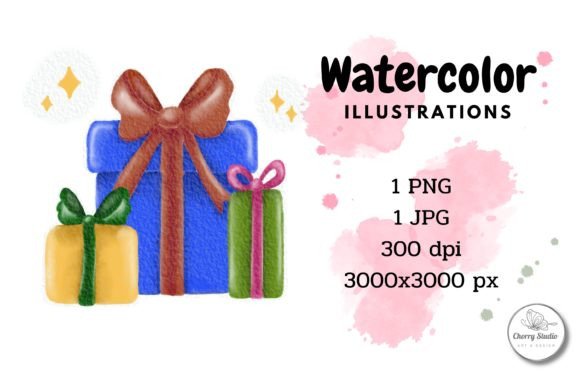
Christmas Gift, Watercolor: A Designer's Real-World Review
I have spent years reviewing machine embroidery designs for everything from boutique branding to personal holiday gifts. When I first laid eyes on Christmas Gift, Watercolor, my initial reaction was less about the stitch count and more about the mood it evokes. It is not a rigid, geometric pattern; it is soft, fluid, and distinctly artistic. As an Illustrations category piece, it brings a painterly quality that often gets lost in traditional digitized files. This review focuses on how this design actually performs when moved from a digital screen to a real-world embroidery project.
The First Impression: Mood and Visual Personality
The moment you open the file, the watercolor aesthetic stands out. Unlike standard blocky clip art, Christmas Gift, Watercolor feels organic. The shapes suggest a wrapped present with soft edges, mimicking the bleed of paint on paper. For designers looking to create a personalized gift or a high-end handmade product, this visual personality is crucial. It suggests warmth and care, which are essential emotions for holiday-themed merchandise.
In terms of layout, the design has a natural balance. It does not scream for attention but rather invites the viewer to lean in. This makes it perfect for embroidery projects where subtlety is key, such as a baby item or a delicate tea towel. The "watercolor" effect translates well into thread work if the digitizer has done their job correctly, using varying stitch densities to create depth without overwhelming the fabric texture.
Real-Life Scenario: From Screen to Tote Bag
To truly test Christmas Gift, Watercolor, I decided to simulate a real client scenario. Imagine you are an Etsy seller preparing a collection of holiday tote bags. You need a design that looks professional enough to justify a higher price point but friendly enough to appeal to families. I took this design and planned to stitch it onto a canvas tote bag intended for a local craft fair.
The first challenge was visualizing the final result. On a screen, the colors blend seamlessly. In the hoop, the thread must carry that same weight. I imagined stitching this on a neutral beige canvas. The watercolor style would pop beautifully against the natural fiber, creating a custom apparel look that feels artisanal rather than mass-produced. If I were selling these bags, the softness of the design would signal to the buyer that the contents inside are special—perhaps homemade jams or artisanal soaps.
This scenario highlights why Christmas Gift, Watercolor is a strong asset for a craft business. It elevates a simple tote bag into a statement piece. The design works because it doesn't rely on heavy outlining; instead, it relies on the interplay of fill stitches to define the shape of the gift box. This approach reduces the risk of the design feeling stiff or plasticky after washing.
Performance on Different Fabrics and Garments
Not all fabrics treat every embroidery file the same way. The success of Christmas Gift, Watercolor depends heavily on what you choose to stitch it onto. For sweatshirt embroidery, the thicker cotton fleece provides a stable base that can handle the density required to mimic the watercolor wash. However, on thinner materials like a light t-shirt or a flowy blouse, caution is necessary.
- Tote Bags: These are ideal. The sturdy fabric supports the design structure, making it durable for daily use.
- Baby Clothes: The soft theme fits perfectly here, but you must ensure the stitch density is low enough to avoid scratching delicate skin.
- Pillow Covers: A great use case for holiday embroidery. The design adds a cozy touch to nursery decor or living room accents.
- Kitchen Towels: The watercolor style complements the domestic setting well, making it a lovely finished product for gifting.
However, there are limitations. If you attempt to stitch this on a stretchy fabric without proper stabilization, the watercolor gradients might warp, losing their artistic integrity. Similarly, on dark fabrics, the lighter tones of the watercolor effect might get lost unless you use a high-quality underlay or specific thread choices. Always test your thread colors against the fabric background before committing to a full run.
Where to Exercise Caution
While versatile, Christmas Gift, Watercolor is not a one-size-fits-all solution. There are specific scenarios where this design requires careful consideration.
- Small Hoop Sizes: If you are working on a small area, such as a hat brim or a pocket, the details might become muddy. The watercolor effect relies on space to breathe. Compressing it into a tiny hoop size could turn the soft edges into a solid blob.
- Textured Fabrics: Thick knits or boucle fabrics can hide the nuances of the design. The machine needle might struggle to penetrate deeply enough to show off the satin stitch variations.
- Curved Surfaces: Embroidering on a cap requires precise curvature adjustment. While the design is roundish, fitting it perfectly around the curve of a baseball cap might distort the perspective of the gift box.
- Dense Stitch Areas: If the design has large areas of fill stitch, ensure your stabilizer is robust. Without adequate support, the fabric will pucker, ruining the visual appeal of the finished piece.
Impact on Product Value and Brand Consistency
For Etsy sellers and small shop owners, the perceived value of a product is directly linked to the quality of the decoration. A generic, hard-edged logo often feels cheap. In contrast, Christmas Gift, Watercolor adds a layer of sophistication. It signals that the maker put thought into the design assets, not just the production process.
When customers see a digital embroidery file translated into a physical object with such grace, trust increases. They associate the soft, artistic lines with high-quality craftsmanship. This is particularly important for commercial embroidery projects where brand consistency matters. Using a design that feels cohesive and professional helps build a recognizable identity for your handmade product line.
The design also enhances giftability. People buy gifts for others based on emotional resonance. A stitched image that looks like a hand-painted illustration carries more emotional weight than a standard icon. It transforms a simple item into a keepsake.
Practical Designer Notes for Success
Before you start stitching, keep these practical tips in mind to ensure your project runs smoothly.
- Test on Scrap Fabric: Never jump straight into your final product. Run a test on scrap material to check how the fill stitch behaves and if the watercolor effect holds up.
- Check Thread Contrast: Ensure your chosen threads provide enough contrast to make the details visible. A monochromatic scheme might be too subtle depending on the fabric color.
- Inspect Small Details: Zoom in on the digital preview. Are there any tiny elements that might break down during stitching? If so, consider simplifying the design or adjusting the digitization.
- Use Proper Stabilizer: The right stabilizer is non-negotiable. For a design with potential density, a cut-away stabilizer often provides the best long-term stability for items like embroidered patches or frequent-wash items.
- Review Licensing: Before selling finished items, confirm the license terms. Some design assets allow commercial use only up to a certain quantity or require attribution.
- Black and White Mockups: Convert the design to grayscale to see how the tonal values translate. This helps predict how the design will look without relying on color perception.
Christmas Gift, Watercolor is more than just a graphic; it is a tool for creative entrepreneurs to elevate their offerings. Whether you are creating a unique embroidered patch for a denim jacket or a custom apron design for a holiday market, this file offers a blend of artistry and functionality. By understanding its strengths and limitations, you can produce a finished product that delights both the maker and the recipient.